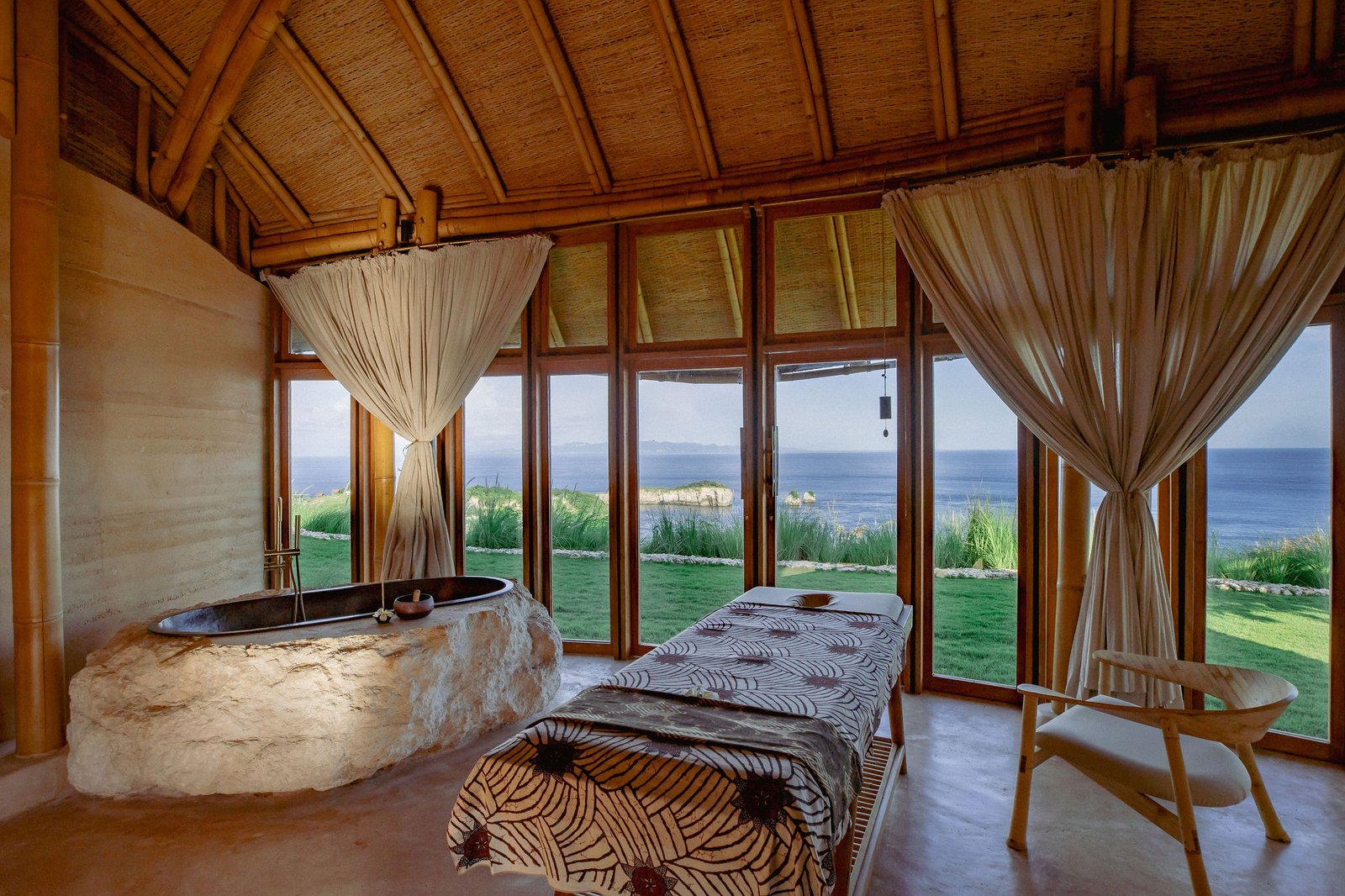

You do not have to switch your phone off completely to enjoy less screen time in Bali. Decide what you still need it for, save useful information before heading out and choose a few moments when scrolling can wait. Keep essential communication available. The aim is more choice about your attention, without making the practical parts of travel harder.
Choose what you want to keep
Separate the tools you use from the habits you want a break from. Maps, translation, booking details and messages about an agreed meeting can be useful. Opening a social feed every time you check the clock may be something you would rather leave behind for a while.
Write a short personal rule that leaves room for reality: “I will use my phone for arrangements, then put it away during the meal.” Choose a moment you would enjoy giving your attention to, rather than setting an ambitious daily limit you have to monitor.
Prepare the practical details while connected
Save the information you will need in a place you can find quickly. Check that saved documents actually open without a connection; a link to an online confirmation is different from a downloaded copy. Keep your device charged and confirm how changes to your arrangements will be communicated.
If you use Google Maps, check whether your area can be downloaded and save it while connected. Google says offline navigation requires the entire route to be within the downloaded area. Offline walking, cycling and public transport directions are unavailable, and driving offline does not include traffic information or alternative routes. Do not assume a saved map replaces current local advice.
Google Maps: downloading areas and understanding offline limits
Make notifications quieter without missing arrangements
Review which alerts you want to receive before reducing notifications. If you are expecting a message about a meeting or pickup, agree when you need to check it. Let anyone travelling with you know how to reach you, rather than leaving them to guess whether you have seen a message.
On iPhone, Do Not Disturb is a Focus option that can silence calls, alerts and notifications. Check its settings before using it, especially if someone needs to contact you. Different devices and settings behave differently; test your setup before relying on it during the trip.
Let a photograph be the end of the task
If you enjoy taking pictures, you can keep that pleasure. After a photograph, try putting the phone away before opening another app. You might decide to choose and share images later, when doing so does not interrupt the conversation or activity you came for.
When photographing people or a cultural practice, ask permission and follow local guidance. Some moments are better left unrecorded. A short note afterwards can help you remember what interested you without needing to document everything.
Choose experiences you want to give time to
Look for something you are curious about, then ask what preparation and communication it involves. Share your preference for fewer interruptions when making an enquiry, but confirm the practical arrangements rather than assuming a host can offer a phone-free environment.
You can browse Bali Bohem’s experiences with that question in mind. The value is having time for something you chose: a conversation, learning or simply noticing your surroundings. There is no need to turn the holiday into a test of how long you can stay disconnected.
Explore experiences at your own pace
Choose one moment today when you can put your phone away after the practical task is finished. Notice what you would like to give that time to.
Further reading
Our prompts are editorial suggestions. Explore the guidance and background that informed this story.
Google Maps Help: offline maps and navigation limitationsApple Support: Do Not Disturb settings